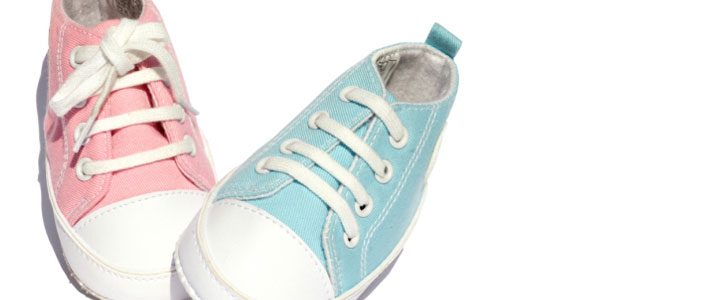
|
| http://www.scientificamerican.com/media/inline/regulate-designer-babies_1.jpg |
“One day parents may be able to pick any gene they desire from a range of bottle genes and have it put in their embryos… One day it might even be possible to buy artificial chromosomes off the shelves. A chromosome with all the genes for perfect physique. Another one design for long life. Some may even think a chromosome for added intelligence could be possible…” (Designer Babies – Comments by Princeton professor Lee Silver.)
 |
| ALAMY |
As the year progresses, science is gradually advancing with new technologies to help people medically and cosmetically. Today, doctors and scientists use reproductive technologies to screen embryos for defective genes and choose healthy embryos to cure and help people with genetic disorders, and fertility problems. Embryos are unborn offspring that are still in the process of development-- around the first eight weeks from conception.
'Designer Babies' is the term used by the media to describe the genetic modifications and analysis genetic engineers do to create desirable features parents want their children's genes to have (health or cosmetic wise). This is possible through In Vitro Fertilization and a reproductive technology technique called, Pre-implantation Genetic Diagnosis (PGD). PGD allows genetic engineers to screen embryos for defective genes from the process of In Vitro Fertilization before the embryos are transferred to the mother's uterus. Therefore, Pre-implantation Genetic Diagnosis opens the possibility of a world free of diseases and disorders. However, many parents want to expand this concept and technology by choosing their children's sex and perhaps even physical traits, such as eye colour and hair colour.
Article:
The Need to Regulate "Designer Babies"
More oversight is needed to prevent misuse of new reproductive technologies
By: Scientific American
On March 3 the cover story of the New York Daily News trumpeted a simple imperative to “Design Your Baby.” The screaming headline related to a service that would try to allow parents to choose their baby’s hair, eye and skin color. A day later the Fertility Institutes reconsidered. The organization made an “internal, self regulatory decision” to scrap the project because of “public perception” and the “apparent negative societal impacts involved,” it noted in a statement.
The change of heart will do nothing to stymie the dawning era of what the article called “Build-A-Bear” babies. The use (and abuse) of advanced fertility technology that evokes fears of Gattaca, Brave New World and, of course, the Nazis’ quest for a blonde, blue-eyed race of Aryans continues apace. A recent survey found that about 10 percent of a group who went for genetic counseling in New York City expressed interest in screening for tall stature and that some 13 percent said they would be willing to test for superior intelligence. The Fertility Institutes is still building the foundation for a nascent dial-a-trait catalogue: it routinely accepts clients who wish to select the sex of their child.
The decision to scrap the designer baby service came just a few weeks after Nadya Suleman, a single, unemployed California mother living on food stamps, gained notoriety after giving birth to octuplets through in vitro fertilization. The Suleman brouhaha showed that even routine uses of reproductive technologies can be fraught with issues that bear on ethics and patient safety.
The preimplantation genetic diagnosis (PGD) technique used by the Fertility Institutes to test embryos before implantation in the womb has enabled thousands of parents to avoid passing on serious genetic diseases to their offspring. Yet fertility specialists are doing more than tiptoeing into a new era in which medical necessity is not the only impetus for seeking help. In the U.S., no binding rules deter a private clinic from offering a menu of traits or from implanting a woman with a collection of embryos. Physicians who may receive more than $10,000 for a procedure serve as the sole arbiters of a series of thorny ethical, safety and social welfare questions. The 33-year-old Suleman already had six children, and her physician implanted her with six embryos, two of which split into twins. American Society for Reproductive Medicine (ASRM) voluntary guidelines suggest that, under normal circumstances, no more than two embryos be transferred to a woman younger than 35 because of the risk of complications.
Of course, any office consultation with a fertility doctor will likely neglect the nuances of more encompassing ethical dilemmas. Should parents be allowed to pick embryos for specific tissue types so that their new baby can serve as a donor for an ailing sibling? For that matter, should a deaf parent who embraces his or her condition be permitted to select an embryo apt to produce a child unable to hear? Finally, will selection of traits perceived to be desirable end up diminishing variability within the gene pool, the raw material of natural selection?
In the wake of the octuplets’ birth, some legislators made hasty bids to enact regulation at the state level—and one bill was drafted with the help of antiabortion advocates. The intricacies of regulating fertility technology requires more careful consideration that can only come with a measure of federal guidance. As part of the push toward health care reform, the Obama administration should carefully inspect the British model.
Since 1991 the U.K.’s Human Fertilization and Embryology Authority (HFEA) has made rules for in vitro fertilization and any type of embryo manipulation. The HFEA licenses clinics and regulates research: it limits the number of embryos implanted and prohibits sex selection for nonmedical reasons, but it is not always overly restrictive. It did not object to using PGD to pick an embryo that led to the birth of a girl in January who lacked the genes that would have predisposed her to breast cancer later in life.
HFEA may not serve as a precise template for a U.S. regulatory body. But a close look at nearly two decades of licensing a set of reproductive technologies by the country that brought us the first test-tube baby may build a better framework than reliance on the good faith of physicians who confront an inherent conflict of interest.
This story was originally published with the title "Designing Rules for Designer Babies "
My View:
"The Need to Regulate 'Designer Babies'" article by Scientific America (Winner of the 2011 National Magazine Award for General Excellence in United States) is informing the public about the cover story from New York Daily News about fertility insititutes allowing parents to select their baby's hair, eye and skin colour. The articles talks about the positive and negative effects of in-vitro fertilization and a reproductive technique called, Preimplantation Genetic Diagnosis (PGD). These reproductive technologies can be very helpful medically-wise because parents who may be at risk of a defective gene can select healthy embryos to have healthy children in the future.
I believe this article is bias because the article inclines for the readers to understand that any type of embryo manipulation is dangerous for our future: "The use (and abuse) of advanced fertility technology that evokes fears of Gattaca, Brave New World and, of course, the Nazis’ quest for a blonde, blue-eyed race of Aryans continues apace." Furthermore, the unknown author indirectly writes that fertility doctors are seeking money and in order to have money (which by the way costs $10 000 per cycle), routinely accepts clients who wish to select the sex of their baby. Nevertheless, I found this article via Scientific America, which is a reliable source for general news since they did win 2011 National Magazine Award for General Excellence in United States. However, readers should also read other articles about Designer Babies because the author of this article is unknown.
"13. On the other hand, interventions which are not directly curative, the purpose of which is 'the production of human beings selected according to sex or other predetermined qualities,' which change the genotype of the individual and of the human species, 'are contrary to the personal dignity of the human being, to his integrity and to his identity. Therefore they can be in no way justified on the pretext that they will produce some beneficial results for humanity in the future,'[36] no social or scientific usefulness and no ideological purpose could ever justify an intervention on the human genome unless it be therapeutic, that is its finality must be the natural development of the human being.'[37]"
Pope John Paul II has issued this charter on February 11, 1994 and as a Catholic student, I agree with the opinions he has stated. Human babies should be born naturally, without the artificial technology of science manipulating the fate of the new born. Furthermore, Pope John Paul II believes no genetic enhancement cosmetically, can have any beneficial result for any humans in the future because personally, it can lead to more unresolved issues.
After the couple has successfully conceived or was unfortunate to produce a child, they can have the choice to dispose their excess eggs, or donate them for research. Many people believe this is unethical because it sends a message to the public that the leftover eggs that have survived the process of In Vitro Fertilization could have been born into the world, but are being disposed of or donated for future study.
Furthermore, there are fertility doctors in developed countries allowing parents to decide the sex of their child and soon enough-- their child's eye colour. Furthermore, fertility doctors are allowing parents who can conceive naturally to do genetic enhancements to their children's genes to satisfy their desires. Although this sounds too good to be true there have been successful cases where parents were able to choose their child's sex through MicroSort Sperm Sorting, which is a process that separates the male sperms that contain the X and Y chromosome and the female sperm that contains only X chromosomes to fertilization. After the sperm has fertilized, it is used with an IVF for the hopes of bringing either a desired boy or girl into the world.
Article I read:
Designer Babies - Comments by Princeton professor Lee Silver (1)
Article:
The Need to Regulate "Designer Babies"
More oversight is needed to prevent misuse of new reproductive technologies
By: Scientific American
On March 3 the cover story of the New York Daily News trumpeted a simple imperative to “Design Your Baby.” The screaming headline related to a service that would try to allow parents to choose their baby’s hair, eye and skin color. A day later the Fertility Institutes reconsidered. The organization made an “internal, self regulatory decision” to scrap the project because of “public perception” and the “apparent negative societal impacts involved,” it noted in a statement.
The change of heart will do nothing to stymie the dawning era of what the article called “Build-A-Bear” babies. The use (and abuse) of advanced fertility technology that evokes fears of Gattaca, Brave New World and, of course, the Nazis’ quest for a blonde, blue-eyed race of Aryans continues apace. A recent survey found that about 10 percent of a group who went for genetic counseling in New York City expressed interest in screening for tall stature and that some 13 percent said they would be willing to test for superior intelligence. The Fertility Institutes is still building the foundation for a nascent dial-a-trait catalogue: it routinely accepts clients who wish to select the sex of their child.
The decision to scrap the designer baby service came just a few weeks after Nadya Suleman, a single, unemployed California mother living on food stamps, gained notoriety after giving birth to octuplets through in vitro fertilization. The Suleman brouhaha showed that even routine uses of reproductive technologies can be fraught with issues that bear on ethics and patient safety.
The preimplantation genetic diagnosis (PGD) technique used by the Fertility Institutes to test embryos before implantation in the womb has enabled thousands of parents to avoid passing on serious genetic diseases to their offspring. Yet fertility specialists are doing more than tiptoeing into a new era in which medical necessity is not the only impetus for seeking help. In the U.S., no binding rules deter a private clinic from offering a menu of traits or from implanting a woman with a collection of embryos. Physicians who may receive more than $10,000 for a procedure serve as the sole arbiters of a series of thorny ethical, safety and social welfare questions. The 33-year-old Suleman already had six children, and her physician implanted her with six embryos, two of which split into twins. American Society for Reproductive Medicine (ASRM) voluntary guidelines suggest that, under normal circumstances, no more than two embryos be transferred to a woman younger than 35 because of the risk of complications.
Of course, any office consultation with a fertility doctor will likely neglect the nuances of more encompassing ethical dilemmas. Should parents be allowed to pick embryos for specific tissue types so that their new baby can serve as a donor for an ailing sibling? For that matter, should a deaf parent who embraces his or her condition be permitted to select an embryo apt to produce a child unable to hear? Finally, will selection of traits perceived to be desirable end up diminishing variability within the gene pool, the raw material of natural selection?
In the wake of the octuplets’ birth, some legislators made hasty bids to enact regulation at the state level—and one bill was drafted with the help of antiabortion advocates. The intricacies of regulating fertility technology requires more careful consideration that can only come with a measure of federal guidance. As part of the push toward health care reform, the Obama administration should carefully inspect the British model.
Since 1991 the U.K.’s Human Fertilization and Embryology Authority (HFEA) has made rules for in vitro fertilization and any type of embryo manipulation. The HFEA licenses clinics and regulates research: it limits the number of embryos implanted and prohibits sex selection for nonmedical reasons, but it is not always overly restrictive. It did not object to using PGD to pick an embryo that led to the birth of a girl in January who lacked the genes that would have predisposed her to breast cancer later in life.
HFEA may not serve as a precise template for a U.S. regulatory body. But a close look at nearly two decades of licensing a set of reproductive technologies by the country that brought us the first test-tube baby may build a better framework than reliance on the good faith of physicians who confront an inherent conflict of interest.
This story was originally published with the title "Designing Rules for Designer Babies "
My View:
"The Need to Regulate 'Designer Babies'" article by Scientific America (Winner of the 2011 National Magazine Award for General Excellence in United States) is informing the public about the cover story from New York Daily News about fertility insititutes allowing parents to select their baby's hair, eye and skin colour. The articles talks about the positive and negative effects of in-vitro fertilization and a reproductive technique called, Preimplantation Genetic Diagnosis (PGD). These reproductive technologies can be very helpful medically-wise because parents who may be at risk of a defective gene can select healthy embryos to have healthy children in the future.
I believe this article is bias because the article inclines for the readers to understand that any type of embryo manipulation is dangerous for our future: "The use (and abuse) of advanced fertility technology that evokes fears of Gattaca, Brave New World and, of course, the Nazis’ quest for a blonde, blue-eyed race of Aryans continues apace." Furthermore, the unknown author indirectly writes that fertility doctors are seeking money and in order to have money (which by the way costs $10 000 per cycle), routinely accepts clients who wish to select the sex of their baby. Nevertheless, I found this article via Scientific America, which is a reliable source for general news since they did win 2011 National Magazine Award for General Excellence in United States. However, readers should also read other articles about Designer Babies because the author of this article is unknown.
Gattaca - Movie Trailer (3)
Genetic engineering has made it possible for women who cannot produce a baby through In Vitro Fertilization or IVF. IVF is a reproductive technology, which removes several eggs from the ovary using advanced tools and the ultrasound for fertilization in a laboratory. After the eggs, which are called embryos are incubated and fertilized, the embryos that survive the process of fertilization are transferred to the uterus in the hope of a pregnancy, and bringing a healthy baby into the world.
In this movie trailer clip of Gattaca, a science fiction film made in 1997 shows what humans can do with genetics in the future. People will use science as means of deciding an individual's success-- career, and destiny. Although this is science fiction, reproductive technologies such as In Vitro Fertilization and other reproductive technology procedures have created new ethical and social issues. For individuals who are Roman Catholics, there are morals one has to follow to live in the footsteps of God. The Catholic Church has talked about the problem of genetic manipulation and Pope John Paul II has stated his opinions about the issue through the Charter for Heath Care Workers:
Pope John Paul II has issued this charter on February 11, 1994 and as a Catholic student, I agree with the opinions he has stated. Human babies should be born naturally, without the artificial technology of science manipulating the fate of the new born. Furthermore, Pope John Paul II believes no genetic enhancement cosmetically, can have any beneficial result for any humans in the future because personally, it can lead to more unresolved issues.
 |
| http://www.santamonicafertility.com/assets/content/jpg/smf_slider-img_gender-selection.jpg |
After the couple has successfully conceived or was unfortunate to produce a child, they can have the choice to dispose their excess eggs, or donate them for research. Many people believe this is unethical because it sends a message to the public that the leftover eggs that have survived the process of In Vitro Fertilization could have been born into the world, but are being disposed of or donated for future study.
Furthermore, there are fertility doctors in developed countries allowing parents to decide the sex of their child and soon enough-- their child's eye colour. Furthermore, fertility doctors are allowing parents who can conceive naturally to do genetic enhancements to their children's genes to satisfy their desires. Although this sounds too good to be true there have been successful cases where parents were able to choose their child's sex through MicroSort Sperm Sorting, which is a process that separates the male sperms that contain the X and Y chromosome and the female sperm that contains only X chromosomes to fertilization. After the sperm has fertilized, it is used with an IVF for the hopes of bringing either a desired boy or girl into the world.
Additionally, genetic engineers have made a promising remark of using genetic modification as means of curing future diseases. It is called gene therapy, which is a procedure that replaces mutated genes with natural normal genes from humans, or in drug forms as means of treatments to cure genetic disorders. There are treatments for many hereditary disorders, such as digestive enzyme supplements for Cystic fibrosis, and insulin injections for diabetes. Although gene therapy is still in the process of development, the anticipation of this reproductive technique presents exciting outcomes because it gives parents who may be at risk of the genetic condition, the possibility to have a healthy baby to care and love.
 |
| http://www.bgmoedling-keim.ac.at/fachbereiche/biologie/gentherapie/images/ashantidesilva.jpg |
Gene therapy could save thousands of lives, and there is already someone saved by gene therapy. Her name is Ashanti DeSilva. Ashanti Desilva suffered from adenosine deaminase (ADA) at the age of four. In 1990, the first clinical use of gene therapy was used on Ashanti to help her body produce the required enzyme needed to keep Ashanti live a productive life.
 |
| http://www.vitaminwatercanada.ca/blog/wp-content/uploads/future.jpg |
Genetic modifications would be permanent and passed on to future generations. It could perhaps prevent diseases and enhance physical appearances in the long run. As cliche as this sounds, everything happens for a reason. We are humans that are constantly thirsty for exploration, discoveries, and inventions. I believe in life people gain some (we gain knowledge, find new scientific discoveries), and humans have to be ready to lose some (lose more people for these scientific experiments to benefit others). However, I believe this practice of tinkering with genes should be practiced with limits until researchers and everyone else can guarantee this technology is safe to be of use because money and ego of humans never go well together.
Article I read:
"The Need to Regulate 'Designer Babies'" Scientific American. 4 May, 2009. Web. 5 January, 2012. <http://www.scientificamerican.com/article.cfm?id=regulate-designer-babies>
Sources:
Brandon Keim. "Designer Babies: A Right to Choose?" Wired Science: News For Your Neurons. 9 March, 2009. Web. 5 January, 2012. <http://www.wired.com/wiredscience/2009/03/designerdebate/>
BBC2. "Life and Death in the 21st Century: Desginer Babies" BBC Home. Science & Nature: TV & Radio Follow-up. 6th January 2000. Web. 1 January, 2012. <http://www.bbc.co.uk/science/horizon/1999/designer_babies.shtml>
Michelle Seguinn. "Are We Too Advanced For Our Own Good?" Sequinn-biologyblog. 2 November, 2010. Web. 3 January, 2012. <http://seguin-biologyblog.blogspot.com/search?updated-max=2010-11-05T13:49:00-07:00&max-results=7>
Eternal World Television Network. "CHARTER FOR HEATH CARE WORKERS." Faith-Television-Radio-Library. Web. 4 January, 2012. <http://www.ewtn.com/library//curia/pcpaheal.htm#2>
Molina B Dayal and Richard Scott Licidi. "Preimplantation Genetic Diagnosis" Medscape Reference: Drugs, Diseases & Procedures. 29 August, 2011. Web. 2 January, 2012. <http://emedicine.medscape.com/article/273415-overview>
"Design-a-baby?" Bionet: Explore life sicences and debate the issues. 2002. Web. 5 January, 2012. <http://www.bionetonline.org/English/Content/db_cont1.htm>
National Post. "Doctors deeply divided over gender selection." Canada.com 12 November, 2004. Web. 3 January, 2012. <http://www.canada.com/national/nationalpost/news/artslife/story.html?id=575037fd-f786-4c4d-8c4c-30e08828c9f2>
"Hope for Gene Therapy" The Gene Hunters. Web. 4 January, 2012. <http://www.pbs.org/saf/1202/features/genetherapy.htm>
(1) "Designer Babies - Comments by Princeton professor Lee Silver." 25 Sept. 2006. Youtube. Web. 13 January, 2011.
(2) "3D animation of how IVF works." 4 May, 2009. Youtube. Web. 30 December, 2011. <http://www.youtube.com/watch?v=GeigYib39Rs>
(3) "Gattaca - Movie Tailer" Youtube. 14 April, 2010. Web. 3 January, 2012. <http://www.youtube.com/watch?v=ZppWok6SX88>